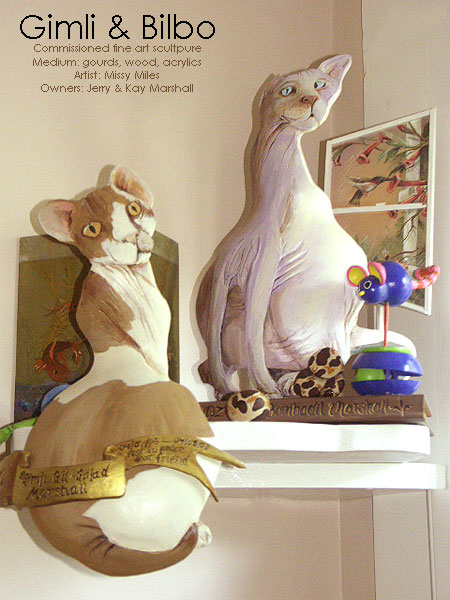
Today marks the 3rd anniversary of the day we lost Gimli. We lost him during a routine dental cleaning due to the use of Ketamine. Gimmie suffered a heart attack on the table, not twenty minutes after we left him in their "care". As stated in this blog previously, I asked questions, we did a blood panel, I specifically asked about the anesthesia, I thought I had covered all bases and left both Gimli and his brother, Bilbo, with our vets thinking they were in good hands. It didn't turn out that way. We lost him there in his physical form but he is with us and fighting for others in his "spiritual" form. I do not mean that in a religious way. But his spirit lives on in my determination to share his story with others through this blog. I thank those of you who have stopped for a while to read and consider - or better yet - reconsider the use of Ketamine. For three years I have tried, in a very small way, to bring attention to the potential dangers of the drug, Ketamine, used to anesthetize Sphynx. This drug is of potential danger to all pets but my platform is not *all* pets, it is all Sphynx. Even the heart healthy ones could be at risk, why? Because even confirmed clear hearts - free from HCM - can become at risk for HCM. Your Sphynx that scanned clear this year at age x,y,z could scan positive the next year or year after, etc. Until the genetic marker is found (Sphynx Research through Dr. Kate Meurs) all of our breed is at risk for the disease. But, we all understand that. We scan, or most of us do, now. We monitor them, we medicate them if they have scanned positive, we rescan them .. yearly for breeders (reputable ones, I should say) ..or at intervals that our vet cardiologist suggest, if we are pet owners. Scanning is a must. Ketamine, in our breed in particularly, can prove fatal. It may not happen the first, second or even third time used, but if your Sphynx has an undiagnosed case of HCM then this drug can kill. It can also kill for other reasons as well. On a public Sphynx forum one member, who is also a breeder of cats, writes:
"An injectable like Ketamine is far slower and harder to quickly reverse than gas. That has been confirmed by every vet I have spoken to that uses either/or both drugs. Being in the bloodstream, vs. an inhalant is an obvious difference. An example is that different people taking Ketamine often have very different reactions. One person may tolerate Ketamine well but not get the desired effect, another may have side effects or adverse reactions that make Ketamine intolerable, and yet another may get the desired effect with no side effects. These variations in response and side effects are caused by many variables, but genetic variation and metabolism-based drug, herbal, and food interactions are among the most common Drugs are metabolized by the body in much the same way as food, herbals, and environmental pollutants; they are broken down by liver, kidney and gut enzymes or other mechanisms so they can be absorbed and eliminated in the bile and urine. Enzymes are available to metabolize specific substances- a medication is referred to as a substrate of the enzyme that can metabolize it. Often an enzyme will be capable of breaking down more than one substance, but sometimes if two or more drugs that use the same enzyme are taken (and metabolized) at the same time, an interaction can occur. Enzyme-related drug interactions can be brought about because some drugs, called inducers, increase the activity of an enzyme and others, called inhibitors, reduce it. Additionally, genetics can determine your inborn ability to create many of the enzymes in the liver or gut, and the amount of an enzyme that is available can dramatically alter how you process medication. In humans (so it seems likely in pets too) approximately 50% of individuals have inherited DNA alterations that can affect how they process the majority of the most commonly prescribed medications. Don’t forget that Ketamine is a respiratory depressant (though can also act as a stimulant) Also its psychotropic properties must be taken into account. People have reported vivid hallucinations, "going into other worlds" or "seeing God" while anesthetized, and these unwanted psychological side-effects have reduced the use of Ketamine in human medicine. All drugs are metabolize through the kidney, and one of the things a vet wants to do a blood test for is current kidney function, and, from what I understand, if it is compromised they choose a different med. This tells me that there are clear issues/risks in using Ketamine. Gas is, from every source I have seen, a much preferred choice of forward thinking, current vet practices. The reasons for this as I have been told by vets and have read from AVMA sources, are the reasons I have questioned." The following is the warning from the manufacturer: Adverse Effects/Warnings - In approved species the following adverse reactions are listed by the manufacturer: “respiratory depression....following high doses, emesis, vocalization, erratic and prolonged recovery, dyspnea, spastic jerking movements, convulsions, muscular tremors, hypertonicity, opisthotonos and cardiac arrest. In the cat, myoclonic jerking and/or tonic/clonic convulsions can be controlled by ultrashortacting barbiturates or acepromazine. These latter drugs must be given intravenously, cautiously, and slowly, to effect (approximately 1/6 to 1/4 the normal dose may be required).” (Package Insert; Ketaset® - Bristol) Seizures have been reported to occur in up to 20% of cats that receive ketamine at therapeutic dosages. Diazepam is suggested to be been used for treatment if necessary. Pain after IM injection may occur. To reduce the incidence of hypersalivation and other autonomic signs, atropine or glycopyrrolate is often administered. Interesting reading: Vet Anesthesiology - an except on Ketamine WebMD - Risks or Complications No one wants to lose their pets. No breeder wants to put their cats or kittens at risk? Why do so because a vet caters to the use of the cheapest anesthetic? They're watching their bottom line. They already have vet techs trained to assist with Ket/Val. Iso and Sevo are more expensive and involves more training time and equipment. They don't want pet owners or breeders to "shop around" for a better price. So many reasons that this drug is still used in many vet clinics. BUT... the tide is changing. People are taking note, educating themselves, networking on forums to share experiences they've had. While there still is not sufficient documented research on Ketamine deaths in Sphynx there are sufficient anecdotal instances that are known and shared. Many breeders and owners now have their vet denote that Ketamine will not be used on their pet. If their vet balks about offering options many are leaving and finding another clinic with progressive and up to date practices. Leave the archaic behind and do so now, for the benefit of your "Gimli". Much love, my little boy.
Showing posts with label induction agent. Show all posts
Showing posts with label induction agent. Show all posts
08 April 2011


26 May 2008
Ketamine References: the buzz is out, isn't it?

There are many articles available via the Internet, written by vets or scientists, which raise serious concerns over the use of the very common and very cheap induction agent, Ketamine. Research substantiating this was conducted in the early 1990’s by Dr. Michel Houard, of Chambourcy, France, and specifically states if Ketamine is used on Devons, Cornish, Germans, Selkirks, and Sphynx, it will cause death.
What's important to note for Devon and Sphynx owners is that within THESE breeds this drug can do one of three things:
1. Cause non-diagnosed cardiomyopathy (HCM) in a cat to progress
2. Due to the drug lowering the *heart rate, it can cause a cat to go into congestive heart failure (CHF)
3. Advance an undiagnosed HCM so that another dose of Ketamine may cause death
What's important to note for Devon and Sphynx owners is that within THESE breeds this drug can do one of three things:
1. Cause non-diagnosed cardiomyopathy (HCM) in a cat to progress
2. Due to the drug lowering the *heart rate, it can cause a cat to go into congestive heart failure (CHF)
3. Advance an undiagnosed HCM so that another dose of Ketamine may cause death
What is Ketamine?
Ketamine is a widely used dissociative drug. It has a noted history of causing an increase in blood pressure, a rough recovery, and, as is referenced in numerous resources, can cause cardiac arrest leading to congestive heart failure in breeds – particularly those that may have the spasticity gene.
Ketamine is commonly used as an induction agent for children and the elderly, and is noted on the US Drug Enforcement Agency.
What does "dissociative" mean?
A dissociative is a drug which reduces (or blocks) signals to the conscious mind from other parts of the brain, typically, but not necessarily, limited to the senses.
Ketamine as a street drug - vet clinics beware: -- resourced from DEA (US Drug Enforcement Agency)
Street terms for Ketamine: jet, super acid, Special "K", green, K, cat Valium.
Ketamine comes in a clear liquid and a white or off-white powder form.
Ketamine is a tranquilizer most commonly used on animals. The liquid form can be injected, consumed in drinks, or added to smokable materials. The powder form can be used for injection when dissolved.
In certain areas, Ketamine is being injected intramuscularly. Ketamine, along with the other "club drugs," has become popular among teens and young adults at dance clubs and "raves."
It is marketed as a dissociative general anesthetic for human and veterinary use, the only known source of Ketamine is via diversion of pharmaceutical products.
Recent press reports indicate that a significant number of veterinary clinics are being robbed specifically for their Ketamine stock.
DEA reporting indicates that a major source of Ketamine in the United States is product diverted from pharmacies in Mexico. Prices average $20 to $25 per dosage unit.
Higher doses produce an effect referred to as "K-Hole," an "out of body," or "near-death" experience.
Use of the drug can cause delirium, amnesia, depression, and long-term memory and cognitive difficulties. Due to its dissociative effect, it is reportedly used as a date-rape drug.
Scientific/Medical: -- resourced from Wikipedia
Ketamine as a street drug - vet clinics beware: -- resourced from DEA (US Drug Enforcement Agency)
Street terms for Ketamine: jet, super acid, Special "K", green, K, cat Valium.
Ketamine comes in a clear liquid and a white or off-white powder form.
Ketamine is a tranquilizer most commonly used on animals. The liquid form can be injected, consumed in drinks, or added to smokable materials. The powder form can be used for injection when dissolved.
In certain areas, Ketamine is being injected intramuscularly. Ketamine, along with the other "club drugs," has become popular among teens and young adults at dance clubs and "raves."
It is marketed as a dissociative general anesthetic for human and veterinary use, the only known source of Ketamine is via diversion of pharmaceutical products.
Recent press reports indicate that a significant number of veterinary clinics are being robbed specifically for their Ketamine stock.
DEA reporting indicates that a major source of Ketamine in the United States is product diverted from pharmacies in Mexico. Prices average $20 to $25 per dosage unit.
Higher doses produce an effect referred to as "K-Hole," an "out of body," or "near-death" experience.
Use of the drug can cause delirium, amnesia, depression, and long-term memory and cognitive difficulties. Due to its dissociative effect, it is reportedly used as a date-rape drug.
Scientific/Medical: -- resourced from Wikipedia
Ketamine is a drug for use in human and veterinary medicine developed by Parke-Davis (today a part of Pfizer) in 1962. Its hydrochloride salt is sold as Ketanest, Ketaset, and Ketalar. Pharmacologically, ketamine is classified as an NMDA receptor antagonist, and at high, fully anesthetic level doses, ketamine has also been found to bind to opioid μ receptors and sigma receptors. Like other drugs of this class such as tiletamine and phencyclidine (PCP), it induces a state referred to as "dissociative anesthesia" and is used as a recreational drug.
From PUBMED:
Ketamine Death
http://www.pubmedcentral.nih.gov/pagerender.fcgi?artid=1481214&pageindex=4#page
-----------------------------------------------------------------------------
There are numerous other anesthesias that your vet should be aware of, and suggest as an alternative if that question is raised. Many of these are non-dissociative and do not cause an increase in blood pressure and do not have the rough recovery that is noted over and again with Ketamine, or Ketamine derivitives such as Telazol and the gas Haloflurane.
Isoflurane or Sevoflurane are extremely common examples of gases that can be used instead of Ketamine or like agents.
Please note: Anesthetics agents increasing the risk for death in Rex and Sphynx are:
- Dissociative: Ketamine (Imalgene®, Clorketam®, Zoletil®)
- Volatile: Halothane
Reference:
Dr. Mike Richards, DVM – Cobbs Creek, VA Matthews Veterinary Clinic
“Ketamine causes hypertension during anesthetic recovery and it is possible that the detrimental effects attributed to Ketamine may be due primarily to cases of undiagnosed cardiomyopathy in cats undergoing anesthetic procedures. These cats would be especially sensitive to hypertension and the increase in blood pressure induced by Ketamine is supposed to be pretty significant in some cats.”
Additionally he wrote:
“For a long time I have heard reports of episodes of pulmonary edema and/or heart failure following anesthesia in cats. There has been some concern among veterinarians over the potential for Ketamine, a commonly used anesthetic agent, to cause episodes of pulmonary edema. Ketamine appears to cause hypertension during the recovery period in many cats. If the cat has pre-existing cardiomyopathy this could lead to a sudden worsening of the cardiomyopathy leading to pulmonary edema and death, if the cardiomyopathy cannot be brought under control with medications. There is some possibility that this effect could occur even without cardiomyopathy being present. I have only seen reports of this condition in association with Ketamine but it may occur with other anesthetic agents".
NOTE: I located Dr. Richards at his vet clinic in Cobbs Creek, Virginia, and phoned his office. He suggested that I read over available articles on this subject at PubMed.org for citable references.
Reference:
PUBMED
http://www.pubmedcentral.nih.gov/pagerender.fcgi?artid=1255390&pageindex=1#page http://www.pubmedcentral.nih.gov/pagerender.fcgi?artid=1255390&pageindex=2#page http://www.pubmedcentral.nih.gov/pagerender.fcgi?artid=1255390&pageindex=3#page
http://www.pubmedcentral.nih.gov/pagerender.fcgi?artid=1255390&pageindex=4#page
Reference:
On the risks of anesthesia - even when your vet tells you that it's safe:
Feline Anesthesia in the New Millennium—SOTAL
State of the Art Lecture
Dr. Jan Ilkiw
Diplomat, ACVIM (Anethesiology)
Professor, Department of Surgical and Radiological Sciences, University of California, Davis.
EXCERPT – full lecture at this link
The last and most recent study included all species and reported techniques and concerns, rather than complications and morbidity. While castration and ovariohysterectomy were the most commonly performed procedures requiring anesthesia in cats (together 54%), dentistry accounted for 22% of cats requiring anesthesia. Intubation was carried out in cats by 76% of practitioners and all small animal practitioners used inhalants for maintenance.
These studies indicate the significant risks and mortality associated with anesthesia in cats, especially if they are ASA category 3-5. The use of inhalants for maintenance of anesthesia in veterinary practice is frequent and the most commonly reported complications relate to intubation and respiratory arrest. While halothane was the mainstay of inhalant anesthesia in these studies, Isoflourane is now probably the most commonly administered inhalant. In veterinary practice, the use of monitoring equipment that is likely to warn of impending complications is rare. In those patients that were monitored appropriately, hypotension was the most frequent complication.
Information will be added to this post as gathered and verified. The goal is to encourage the drug companies that produce Ketamine for veterinary use to include a warning on the label for exotics breeds.
The smaller picture is to have breeders, owners, and vets be provided legitimate, verifed information regarding Ketamine and potential deaths of felines in the exotics breed.
Subscribe to:
Posts (Atom)